The Household Manual: Staff In
The Household Manual — A detailed staff instruction document described in testimony by former house manager Juan Alessi
Evidence1990s-2000s

The Household Manual: Staff Instructions

The so-called 'household manual' — a detailed set of written instructions for domestic staff at Jeffrey Epstein's properties — became one of the most revealing pieces of evidence about the organized nature of Epstein's criminal operation. Described in testimony by former house manager Juan Alessi during the Ghislaine Maxwell trial in December 2021, the manual prescribed everything from how staff should greet visitors to how they should maintain the massage room where documented abuse took place.

Alessi testified that the manual was given to him by Maxwell and contained strict rules governing staff behavior and household operations at the Palm Beach property at 358 El Brillo Way. Among the instructions Alessi described in his testimony: staff were to 'see nothing, hear nothing, say nothing' regarding the activities of Epstein and his guests. This directive of enforced silence was described by prosecutors as a deliberate mechanism to prevent staff from witnessing, documenting, or reporting criminal activity.

The manual included specific instructions about preparing the massage room on the second floor of the Palm Beach mansion. Alessi testified that he was directed to ensure the room was supplied with fresh towels, lotion, and other materials before each 'appointment' and to clean the room and wash the massage table thoroughly afterward. The level of detail in these instructions — which effectively systematized the preparation and cleanup of a crime scene — was cited by prosecutors as evidence of premeditation.

Scroll below the phone to continue reading the full article (4 more sections)

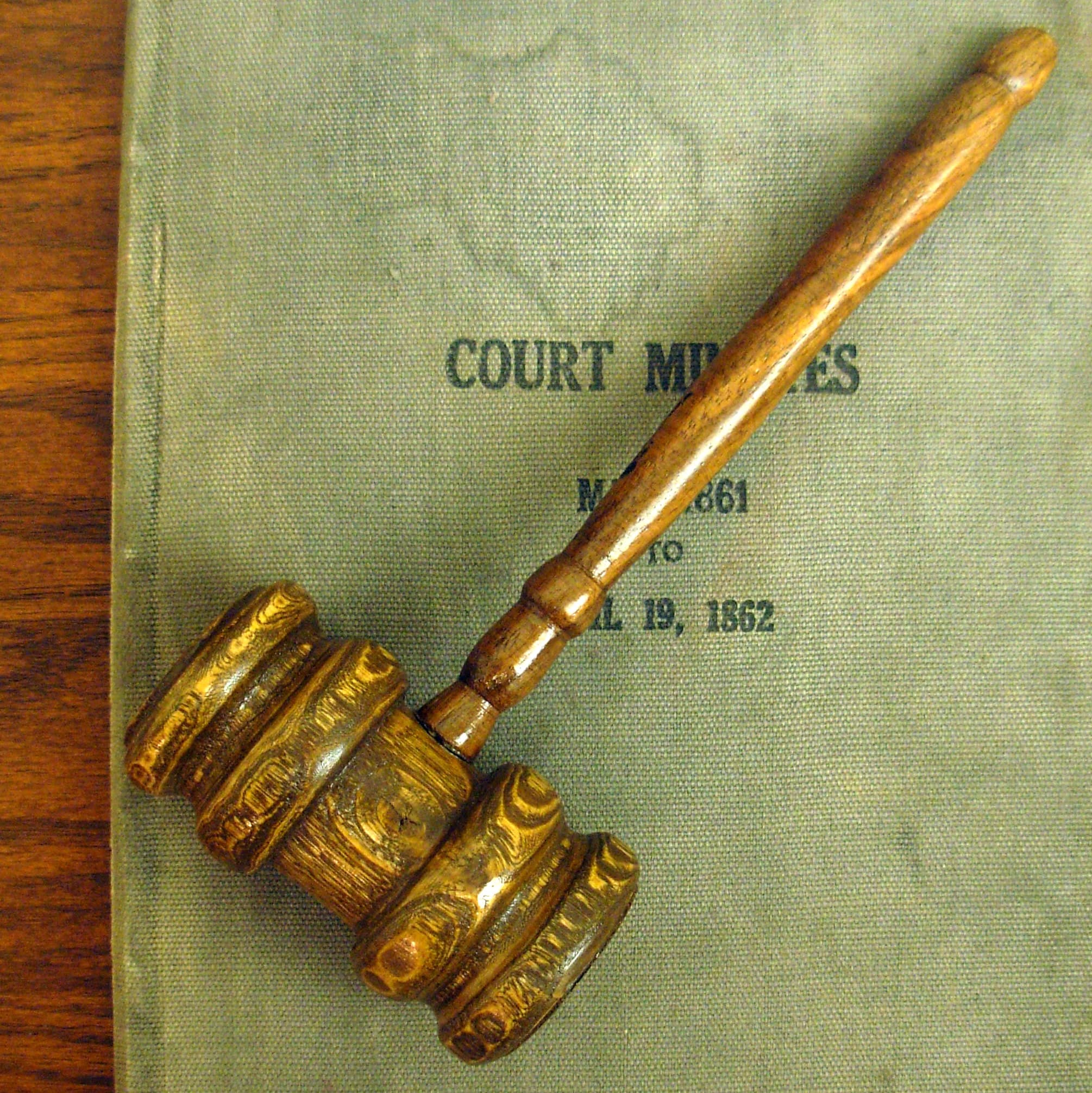
Evidence photograph related to the 58-page household manual used at Jeffrey Epstein's Palm Beach estate at 358 El Brillo Way
The household manual governed every aspect of staff conduct at Epstein's Palm Beach mansion — its contents, revealed at the Maxwell trial, demonstrated the premeditated nature of the trafficking operation.

Epstein's Household Manual: The 58-Page Document That Proved Premeditation

How a detailed set of staff instructions at 358 El Brillo Way revealed the systematic, organized infrastructure behind Jeffrey Epstein's abuse — from enforced silence to massage room cleanup protocols — and why prosecutors called it evidence of premeditation.

Sources: Maxwell Trial Testimony, SDNY Filings, Palm Beach PD Reports, Grand Jury Records

What the Household Manual Was

The household manual was a 58-page written document that governed the day-to-day operations of Jeffrey Epstein's Palm Beach estate at 358 El Brillo Way. Far from a typical set of domestic staff guidelines, the manual contained detailed instructions that — when examined in the context of Epstein's crimes — revealed a deliberate infrastructure designed to facilitate abuse and ensure secrecy. The document dictated everything from how staff should interact with visitors to how specific rooms were to be prepared and cleaned after use.

The manual's existence became publicly significant during the federal prosecution of Ghislaine Maxwell. Prosecutors introduced it as evidence that Epstein's operation was not spontaneous or opportunistic but carefully planned and systematically executed. The document demonstrated that the household was organized around rules specifically designed to prevent staff from witnessing, reporting, or discussing the criminal activity taking place on the property.

Juan Alessi's Testimony at the Maxwell Trial

Juan Alessi, who served as the house manager of the Palm Beach property for approximately 11 years beginning in the early 1990s, provided the most detailed account of the household manual during his testimony at the Ghislaine Maxwell trial in December 2021. Alessi described receiving the manual when he was hired and being instructed to follow its directives precisely. He testified that the document was treated as a binding set of rules — not suggestions — and that failure to comply could result in termination.

Alessi's testimony walked the jury through the manual's contents page by page. He described rules covering the maintenance of the property, the handling of Epstein's personal belongings, the preparation of meals, and the treatment of guests. But the provisions that drew the most attention from prosecutors — and from the media covering the trial — were those that dealt with secrecy, the massage room, and interactions with the young women and girls who visited the estate.

"See Nothing, Hear Nothing, Say Nothing"

The most widely cited directive from the household manual was the instruction that staff were to "see nothing, hear nothing, say nothing." This phrase, which Alessi recited from memory during his testimony, encapsulated the culture of enforced silence that pervaded the household. Staff members were explicitly told that whatever they observed on the property — regardless of how unusual or concerning — was not to be discussed with anyone, including other members of the household staff.

Prosecutors argued that this directive was not merely an expectation of professional discretion, as the defense suggested, but a deliberate mechanism to prevent employees from reporting criminal activity. The instruction went beyond the norms of domestic service in high-net-worth households. In the context of the dozens of young women and girls who were brought to the property for so-called "massage" appointments, the "see nothing" directive functioned as an operational security measure — ensuring that the staff who maintained the property would not become witnesses or whistleblowers.

Massage Room Preparation and Cleanup Instructions

The manual contained specific instructions for the preparation and maintenance of the second-floor massage room — the room that would become the most documented crime scene in the Epstein case. Staff were directed to ensure that the room was stocked with fresh towels, massage oils, and lotions before each scheduled appointment. After each visit, the room was to be thoroughly cleaned: used towels collected, the massage table wiped down and re-sheeted, oils and lotions restocked, and any personal items left behind by visitors collected and disposed of discreetly.

Alessi testified that he personally cleaned the massage room after visits by young women "hundreds of times" over the course of his employment. He described finding sex toys, used towels, and other items that left no ambiguity about the nature of what had occurred. The manual's inclusion of these cleanup protocols demonstrated to prosecutors that the abuse was not only anticipated but administratively managed — the room was maintained on a turnover schedule, prepared for one visitor and cleaned before the next, much like a hotel housekeeping operation.

Staff Conduct Rules Regarding Visitors

Beyond the overarching silence directive, the manual contained specific rules governing how staff were to behave around visitors to the property. Employees were instructed to avoid making eye contact with guests. They were prohibited from initiating conversation with any visitor unless directly addressed. Staff were not to ask visitors their names, the purpose of their visit, or any personal questions. When young women arrived at the property, staff were to direct them to the appropriate room — typically the second-floor massage room — without engaging in any dialogue beyond what was strictly necessary.

These rules served a dual purpose. They prevented staff from developing personal connections with victims that might have led to concern, intervention, or later identification testimony. They also ensured that victims had minimal contact with anyone other than Epstein and, in many cases, Ghislaine Maxwell — limiting the number of people who could later describe the full scope of what was happening at the property. For the young women and girls arriving at 358 El Brillo Way, the silent, averted-gaze treatment from staff reinforced the isolation that was central to Epstein's control over his victims.

Compartmentalized Operations Across Properties

The household manual was specific to the Palm Beach property, but testimony and court records revealed that similar systems of staff management operated across Epstein's other residences. The 9 East 71st Street townhouse in Manhattan, the Zorro Ranch in New Mexico, the apartment at 22 Avenue Foch in Paris, and the private island compound on Little St. James in the US Virgin Islands each had their own staff hierarchies and operational procedures. Witnesses described consistent themes across all properties: enforced discretion, restricted access to certain areas, and instructions to avoid interacting with young female visitors.

This compartmentalization was a defining feature of Epstein's operation. Staff at one property typically had no contact with staff at another. Household employees were not informed about the broader network of properties or the movement of individuals between them. This meant that no single employee could piece together the full picture of the operation. Each property functioned as a self-contained unit, with its own protocols and its own enforced ignorance — a structure that prosecutors characterized as consistent with organized criminal enterprises designed to limit exposure and complicate investigation.

Sarah Kellen and Lesley Groff's Coordination Roles

While the household manual governed the conduct of domestic staff at the Palm Beach property, the logistics of scheduling visitors and coordinating across properties were managed by Epstein's personal assistants — most prominently Sarah Kellen and Lesley Groff. Court documents and testimony described Kellen as one of the primary schedulers of the "massage" appointments, managing Epstein's calendar of visits with young women across multiple properties. Kellen was named as a co-conspirator in the original 2007 federal investigation and was identified by multiple victims as the person who called to arrange their visits.

Lesley Groff, who served as Epstein's executive assistant for more than two decades, handled travel arrangements, property coordination, and communications. Groff maintained Epstein's schedules and facilitated the movement of individuals between properties. Both Kellen and Groff were named in the 2007 non-prosecution agreement and received immunity in exchange for cooperation, though victims and their advocates have criticized the breadth of the immunity provisions. Their roles represented the administrative layer above the household manual — the human infrastructure that translated the manual's written protocols into daily operational reality.

Significance in Trafficking Prosecution: Evidence of Premeditation

The household manual became one of the most important pieces of evidence in establishing the premeditated and organized nature of Epstein's crimes. In both the 2019 SDNY indictment of Epstein (United States v. Epstein, 19-cr-490) and the subsequent prosecution of Ghislaine Maxwell (United States v. Maxwell, 20-cr-330), prosecutors argued that the manual demonstrated that the abuse was not a series of isolated incidents but a coordinated enterprise with written operating procedures.

The distinction was legally significant. Sex trafficking charges under federal law require prosecutors to show that the defendant acted with intent and that the criminal conduct was organized rather than impulsive. The household manual — with its silence directives, room preparation protocols, and visitor conduct rules — provided direct documentary evidence of that organization. It showed that Epstein had created a written system to manage the logistics of bringing young women to his property, abusing them, and ensuring that the evidence was cleaned up and the witnesses kept silent.

At the Maxwell trial, the prosecution used the manual alongside Alessi's testimony to establish that Maxwell was aware of and participated in this system. Alessi testified that Maxwell was involved in the creation and enforcement of the household rules, and that she personally directed staff regarding the handling of young visitors. The jury's conviction of Maxwell on five of six counts — including sex trafficking of a minor — validated the prosecution's argument that the manual was evidence of a jointly operated criminal enterprise, not merely the employment policies of a wealthy household.

Timeline: The Household Manual as Evidence

Early 1990s

Juan Alessi hired as house manager at 358 El Brillo Way; receives the 58-page household manual

~1990s

Manual enforced across Palm Beach property; staff instructed to follow silence directives and room protocols

~1999-2005

Massage room preparation and cleanup cycles documented by Alessi as occurring 'hundreds of times'

~2002

Alessi departs after approximately 11 years; manual and operational procedures continue under subsequent staff

March 2005

Palm Beach Police Department opens investigation into Epstein; household operations come under scrutiny

October 2005

Search warrant executed at 358 El Brillo Way; physical evidence recovered from massage room

2007

Sarah Kellen and Lesley Groff named as co-conspirators; receive immunity under non-prosecution agreement

July 2019

SDNY files federal indictment; organizational structure of Epstein's operation becomes central to charges

Dec 2021

Juan Alessi testifies at Maxwell trial; describes household manual in detail before the jury

Dec 29, 2021

Maxwell convicted on 5 of 6 counts; manual cited as evidence of premeditated, organized trafficking

Related Evidence & Sections

All information sourced from publicly available court documents, Maxwell trial testimony, SDNY filings, and Palm Beach Police Department investigation records.

Privacy|Terms